Choosing the right Replacement Smartwatch Straps is more complicated than matching colors with a watch case. A strap must fit the device securely, support comfortable movement, and suit the buyer’s climate. Silicone can handle sweat and rain, while woven nylon feels lighter during long walks. Leather offers a refined appearance, but it needs more care in humid conditions. Small details matter, including lug width, buckle quality, ventilation holes, and the strap’s adjustment range.
This guide reviews ten practical options for global buyers, using criteria that reflect real purchasing decisions. Compatibility comes first. A beautiful strap is useless if its connector does not match the watch. Comfort follows, especially for people wearing a smartwatch overnight or during exercise. Material durability, cleaning requirements, seller transparency, warranty terms, and return policies also deserve attention. Check the measurements carefully.
No single strap wins everywhere. A breathable design may collect dust, and a premium finish may scratch sooner than expected. That is worth admitting. Product descriptions can sound confident, yet long-term wear often reveals different results. The recommendations therefore balance manufacturer information, user experience, construction details, and everyday testing considerations. Buyers should still confirm their watch model, wrist size, local delivery conditions, and replacement availability before ordering. A secure fit matters most. Small choices prevent expensive mistakes.
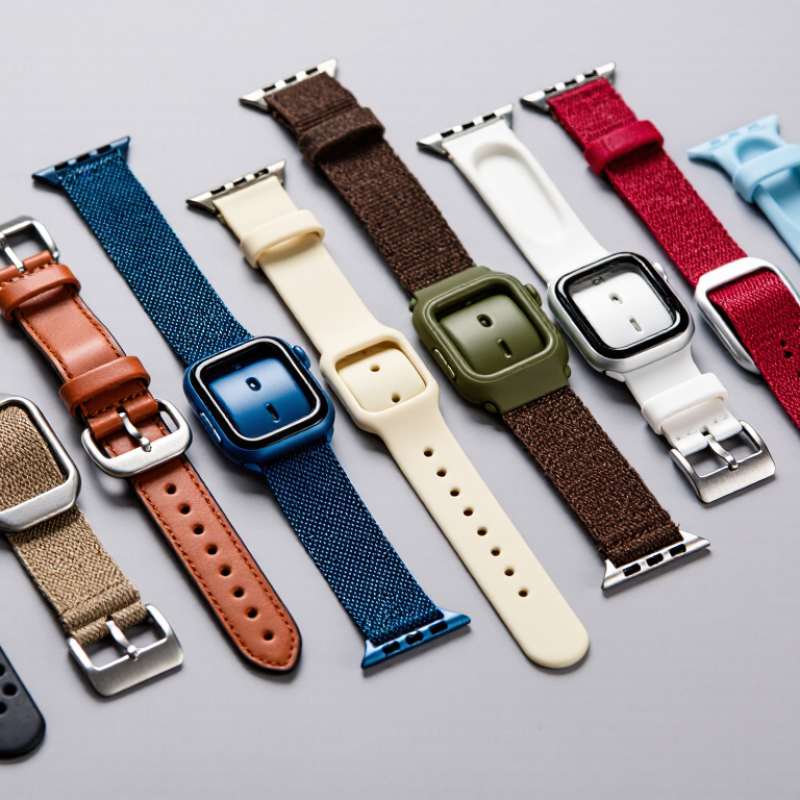
Choosing replacement smartwatch straps starts with connector compatibility, not appearance. A strap can look perfect online and still fail at the lugs.
Standard spring-bar straps fit many traditional watch cases. Quick-release straps use built-in levers for faster changes. Integrated straps match a specific case shape and often require a dedicated connector. Some models use proprietary fittings, so ordinary spring bars may not work. Check the product specifications before ordering.
Measure the lug width carefully, usually in millimeters. Measure your wrist with the watch case included. A two-millimeter mistake can cause movement, gaps, or pressure points. For global buyers, confirm whether measurements use millimeters or inches. Conversion errors are surprisingly common. Flexible silicone suits exercise and humid climates. Woven fabric feels lighter during long office days. Leather may offer comfort, but sweat and rain can shorten its life. Metal links need proper adjustment tools.
I once chose a strap by color alone. It looked excellent, but the buckle pressed against my wrist. That mistake changed my buying checklist. I now inspect connector photos, hole spacing, buckle dimensions, and return conditions. I also test the strap indoors before wearing it outside. Small details matter. A secure fit should feel stable without leaving deep marks. Some listings claim universal compatibility, but that wording deserves skepticism. Case shape, connector depth, and sensor clearance can still differ.
| No. | Strap Type | Typical Materials | Common Widths | Connector & Compatibility | Water & Sweat Suitability | Best Use | Main Advantages | Important Buying Check |
|---|---|---|---|---|---|---|---|---|
| 1 | Quick-Release Silicone Sport Strap | Medical-grade or standard silicone; stainless-steel buckle | 18 mm, 20 mm, 22 mm | Standard quick-release spring bars; fits watches with matching straight lugs | Excellent for swimming, rain, workouts, and daily washing; rinse after saltwater exposure | Fitness, running, travel, and everyday wear | Flexible, lightweight, easy to clean, and widely available | Measure the lug width and confirm the strap length for the wrist circumference |
| 2 | Fluoroelastomer Performance Strap | Fluoroelastomer rubber; corrosion-resistant metal hardware | 20 mm, 22 mm | Usually supplied with standard spring bars or a compatible watch-specific adapter | Excellent resistance to sweat, oils, heat, and frequent water exposure | High-intensity training and hot climates | Durable, smooth, odor-resistant, and more stable in demanding conditions | Check whether the buckle finish and strap holes match the watch case hardware |
| 3 | Ventilated TPU Strap | Thermoplastic polyurethane with perforated channels | 20 mm, 22 mm | Quick-release spring bars or compatible adapter system; best with straight-lug cases | Very good for sweat and rain; ventilation helps reduce moisture buildup | Cycling, gym sessions, and humid environments | Breathable, flexible, affordable, and fast-drying | Inspect the perforation pattern and buckle strength before buying |
| 4 | Woven Nylon Hook-and-Loop Strap | Nylon fabric, hook-and-loop closure, metal or polymer adapters | 18 mm, 20 mm, 22 mm | Standard quick-release bars or watch-specific connector adapters | Good for sweat and light rain; dry fully after soaking | Casual wear, sleep tracking, and adjustable-fit needs | Very adjustable, lightweight, comfortable, and suitable for many wrist sizes | Verify the hook-and-loop area is long enough and does not contact the skin unnecessarily |
| 5 | Braided Nylon Loop Strap | Braided nylon with an adjustable buckle or sliding clasp | 20 mm, 22 mm | Standard spring bars; compatible with conventional open lugs | Good for daily sweat; slower to dry than silicone or TPU | Office, travel, and all-day comfort | Soft texture, low weight, breathable construction, and easy adjustment | Look for tightly woven edges and a secure clasp to prevent stretching |
| 6 | Leather Dress Strap | Full-grain or top-grain leather with stitched edges and metal buckle | 18 mm, 20 mm, 22 mm | Standard quick-release spring bars; compatible with straight-lug watches | Limited water resistance; avoid swimming, showering, and prolonged humidity | Business, formal occasions, and controlled indoor use | Elegant appearance, comfortable break-in, and a wide range of colors | Check lining material, stitching, leather thickness, and care requirements |
| 7 | Stainless-Steel Link Bracelet | 316L stainless steel links, pins, and folding clasp | 20 mm, 22 mm | Straight spring bars or case-specific end links; end-link shape must match the lugs | Excellent for water and sweat; dry between links after exposure to saltwater | Formal wear, business use, and durability-focused buyers | Long service life, premium weight, and strong resistance to abrasion | Confirm removable-link tools, wrist-size range, lug geometry, and total bracelet weight |
| 8 | Milanese-Style Mesh Strap | Woven stainless-steel mesh with magnetic or sliding clasp | 18 mm, 20 mm, 22 mm | Standard spring bars; straight lugs provide the broadest compatibility | Good for occasional water exposure; rinse and dry after saltwater contact | Smart-casual wear and frequent size adjustments | Fine adjustment, breathable metal weave, and polished appearance | Check magnetic-clasp security and keep strong magnets away from sensitive items |
| 9 | Rugged Two-Piece Nylon Strap | Ballistic nylon or seat-belt nylon with reinforced stitching | 20 mm, 22 mm | Standard spring bars; works with most conventional two-piece watch lugs | Very good for sweat and rain; wash and dry regularly to limit odor | Outdoor activities, hiking, and field work | Strong, lightweight, quick-drying, and resistant to everyday abrasion | Check thickness, keeper quality, stitching, and spring-bar diameter |
| 10 | Watch-Specific Adapter Strap | Silicone, nylon, leather, or metal strap paired with a molded adapter | Adapter-dependent; commonly 20 mm or 22 mm | Designed for watches using proprietary recessed, rail-style, or integrated connectors; not universally interchangeable | Depends on the strap material; silicone and metal are generally better for water than leather | Rectangular or integrated-case watches with non-standard lug systems | Expands strap choices when ordinary spring bars cannot be used | Match the exact watch case generation, connector shape, adapter width, and installation direction |
Compatibility note: Measure the distance between the inside edges of the watch lugs before ordering. A strap width must match the lug width exactly, while integrated or proprietary connectors require a model-specific adapter.
Measure the lug width in millimeters. Check the connector shape and locking mechanism. A half-millimeter difference can cause wobbling or detachment. I once trusted a product photo. That was careless.
Silicone handles sweat, rain, and frequent washing well. Woven fabric feels cooler during long office hours. Leather-like materials look polished but dislike moisture. Metal resists abrasion but adds weight. Choose based on daily use.
Look for smooth edges, ventilation holes, and flexible material. The buckle should feel secure without pressing hard. Check for trapped heat under the wrist. Five minutes of comfort proves little.
Choose materials described for water exposure and exercise. Water resistance does not last forever. Rinse away salt and sweat afterward. Dry the strap completely before wearing it again. Read temperature and cleaning limits carefully.
Clean the watch edges with a dry, lint-free cloth. Align each spring bar with the connector holes. A clear click usually confirms proper placement. Pull lightly from both sides afterward. Never force a resistant pin.
Check stitching, clasp strength, material details, and return terms. Review independent user comments for repeated failures. Very thin material may wear quickly near the lugs. Attractive photos can hide weak construction.
Silicone commonly costs less and supports active use. Woven fabric often costs more but dries quickly. Leather-like and metal options usually cost more. Price alone does not prove value. I once ignored edge stitching. It frayed after several months.
Rinse washable materials with clean water after exercise. Let leather-like materials air-dry naturally. Inspect pins, holes, and edges every few days. Replace the strap when cracks, stretching, or loose pins appear. Do not wait for failure.
Choosing the right Replacement Smartwatch Straps can improve comfort, appearance, and the overall usefulness of a smartwatch. This guide explains the main strap types, including silicone, leather-style, woven, metal, and hybrid designs, while highlighting the importance of size, connector style, wrist fit, and device compatibility. It also introduces ten practical strap options for global buyers, selected for their balance of comfort, durability, appearance, maintenance needs, and price. Each material offers different advantages: soft silicone suits active use, woven fabric provides breathability, metal offers a structured look, and leather-style finishes create a more traditional appearance.
The guide also shares useful advice for comparing products, checking measurements, choosing reliable sellers, and avoiding compatibility problems. Readers will learn how to replace a strap safely, adjust it for a secure fit, clean different materials, and store them properly to extend their service life. With careful attention to quality, comfort, and everyday needs, buyers can find a replacement strap that suits both their smartwatch and personal lifestyle.

Dispatched from our UK warehouse with tracked shipping.
Every smartwatch and audio product is covered as standard.
One companion app across the whole product ecosystem.
Pairing, firmware and accessory help from our support team.
