For global buyers, choosing a Heart Rate Monitor Wearable means weighing more than its headline features. Comfort, sensor consistency, battery life, and app compatibility matter during real workouts and ordinary days. The American College of Sports Medicine’s 2024 Worldwide Survey of Fitness Trends ranked wearable technology as the year’s leading fitness trend. That signals broad interest, not guaranteed accuracy. A wrist sensor can also behave differently during a brisk run, a cold morning, or a loose fit.
The need for practical activity tools is clear. The World Health Organization reported that about 1.8 billion adults did not meet recommended physical activity levels in 2022. A wearable may help users notice patterns, set realistic goals, and review changes over time. Small details count: a readable display in sunlight, secure straps, and charging that fits a travel schedule. Not every metric is equally useful. Optical heart-rate readings can differ from clinical measurements, especially during movement, so buyers should check how a device was tested and understand its limits. For health concerns, wearable data should not replace professional advice. This guide compares leading options for different budgets, routines, and regions, while considering language support, phone compatibility, and after-sales service. The best choice is not always the one with the longest feature list. It is the device a buyer can wear comfortably, interpret sensibly, and keep using.
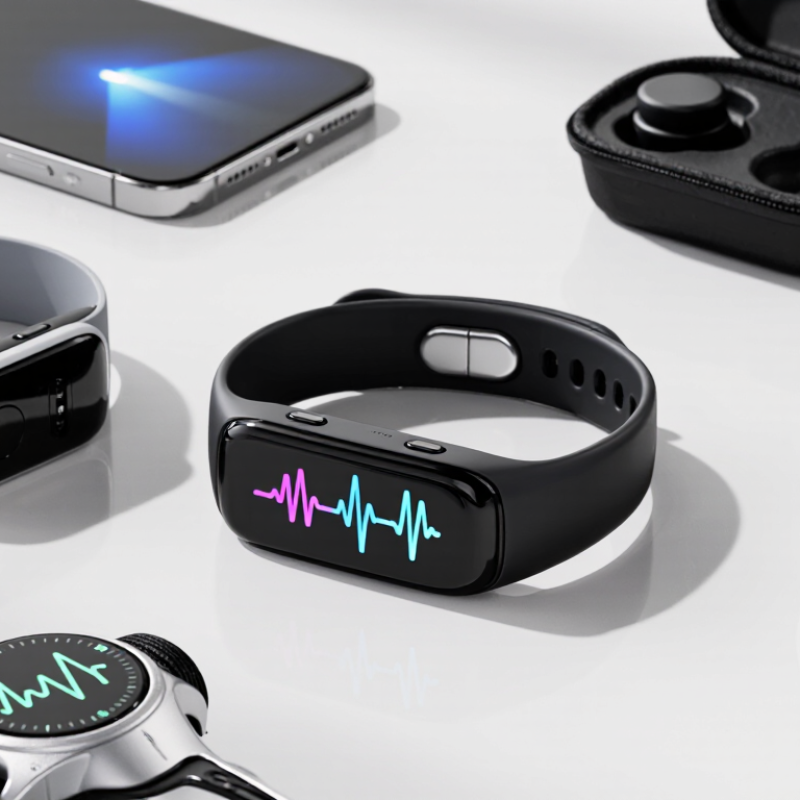
Heart rate monitor wearables measure pulse during exercise and daily activities, but they do not all work the same way. Wrist devices typically shine green light into the skin and detect changes in blood flow. They are convenient for walks, sleep tracking, and steady workouts. Fit matters: a loose band can produce jumpy readings, especially when your arm moves quickly.
Chest straps usually sense the heart’s electrical signals through skin-contact electrodes. They often respond quickly to sudden intensity changes, which can help during intervals or cycling. The trade-off is comfort. Some people find a strap tight or irritating, particularly in warm weather. Optical armbands sit on the upper arm and use light-based sensing, offering another option when wrist movement affects readings. Small differences count.
Smart rings can track pulse trends during rest and sleep, though their readings may be less suited to rapid exercise changes. No wearable is perfect. Cold skin, sweat, tattoos, and poor contact can affect measurements. Compare readings under similar conditions, and treat unusual results as a reason to check—not as a diagnosis. For a device that fits your routine, consider comfort, battery life, and how clearly it presents data.
Most wrist wearables use photoplethysmography, or PPG. Green LEDs shine into the skin, while a light sensor detects changes in reflected light as blood volume rises and falls with each pulse. The device estimates beats per minute from that pattern. Some wearables also use electrodes to record the heart’s electrical activity. Movement can distort either signal. It is an estimate, not a direct view of the heart.
A 2017 Journal of Personalized Medicine study tested seven wrist-worn devices on 60 adults. Heart-rate accuracy varied with activity, while estimated energy-expenditure errors ranged from 27.4% to 92.6%. That gap is worth remembering: a pulse reading and a calorie estimate are not equally dependable. Cold skin, a loose strap, and vigorous arm movement can also affect optical readings.
Tips: Wear the device snugly, just above the wrist bone. Check resting readings under similar conditions, and look for patterns rather than reacting to one spike. Still, numbers can be imperfect. A wearable supports tracking; it cannot diagnose a heart condition.
For global buyers, compare heart-rate wearables by measurement quality, comfort, and usable data—not by the number of dashboard metrics. A 2017 Journal of Personalized Medicine study tested wrist-worn devices with 60 adults across six activities. Reported heart-rate error ranged from 2.4% to 17%, and movement affected performance. A snug strap helps, but sweat, tattoos, skin tone, and wrist motion can still influence optical readings. Check whether the device offers an electrical sensor, and whether its maker explains how readings were validated. Small details matter.
Look for clear resting, workout, and recovery records, plus export options for sharing trends with a clinician or coach. Battery life should be tested with continuous monitoring enabled; a quoted maximum may not reflect daily use. Check water-resistance conditions, supported phone systems, language availability, and whether data syncs reliably when traveling. Privacy controls matter, too: confirm what is stored and how account data can be deleted. No wrist reading is a diagnosis. A 2021 review in Sensors also noted that wearable heart-rate accuracy varies by activity and device, so compare performance evidence for your intended use. I’d still verify comfort over a full workout. Some marketing claims make that harder than it should be.
| Wearable Type | Heart-Rate Sensing | ECG Capability | GPS | Typical Battery Pattern | Water Resistance | Connectivity | Best Suited For |
|---|---|---|---|---|---|---|---|
| Fitness Band | Wrist-based optical sensing using photoplethysmography (PPG); continuous tracking is common. | Generally not included; availability depends on the specific model. | Connected GPS through a paired phone is common; built-in GPS is less typical. | Often several days to around two weeks; frequent tracking and display use can reduce runtime. | Varies by model; some are rated for swimming, while others are intended only for splashes. | Bluetooth phone synchronization is common; standalone cellular service is uncommon. | Everyday activity, sleep, and general heart-rate trends. |
| GPS Running Watch | Wrist-based optical PPG; a compatible chest strap can be paired with some models. | Available only on selected models; not a standard feature across this category. | Built-in satellite positioning is common; supported satellite systems vary by model. | Usually longer in watch mode than during continuous GPS recording; exact runtime varies considerably. | Many models have a stated water-resistance rating; check the model’s rating and activity guidance. | Bluetooth is common; ANT+ sensor support is available on some models. | Running pace, distance, route recording, and structured training. |
| Multisport / Outdoor GPS Watch | Wrist-based optical PPG; external heart-rate sensors are supported by some models. | Uncommon across the category; confirm availability for the particular model and region. | Built-in GPS is typical; some models support multiple satellite systems or multi-band positioning. | Often designed for extended use, but GPS, navigation, and display settings can shorten battery life. | Ratings differ by model. A depth or water-resistance rating does not automatically mean every water activity is suitable. | Bluetooth is common; ANT+ and other sensor connections depend on the model. | Long-distance training, hiking, and multisport activities. |
| General-Purpose Smartwatch | Wrist-based optical PPG is common; readings are useful for trends but can vary with fit and movement. | Offered on selected models and may be subject to regional availability or software requirements. | Included on many models; confirm whether GPS is built in or relies on a paired phone. | Often requires charging every day or few days; usage, GPS, and cellular features affect runtime. | Model-specific. Check the stated rating and manufacturer guidance before swimming or water exposure. | Bluetooth and Wi-Fi are common; cellular connectivity is optional on selected models and markets. | Heart-rate trends alongside notifications, apps, and general smartwatch functions. |
| Chest-Strap Heart-Rate Monitor | Electrodes measure the heart’s electrical signals to calculate heart rate; it is not a diagnostic ECG. | Provides electrical heart-rate sensing, but this does not necessarily provide a medical ECG recording. | Usually none; a paired watch, phone, or other device records location when needed. | Battery life ranges from many training hours to longer periods, depending on battery type and use. | Varies by model; check the stated rating before swimming or submersion. | Bluetooth and/or ANT+ are common; supported connections vary by model. | Workout-focused heart-rate tracking, especially when a chest-worn sensor is preferred. |
Comparison note: Specifications and features vary by model and sales region. Optical wrist readings can be affected by fit, movement, skin contact, and activity type. Check the individual product’s battery, water-resistance, sensor, and regional feature details before purchasing.
For occasional walkers, a wrist-worn monitor is often the easiest place to start. It stays on during errands and can show heart rate beside steps or walking time. Comfort matters more than a long list of features. If the band slips on a sweaty wrist, readings may jump around.
People who exercise several times a week may prefer a watch with clear workout screens and adjustable heart-rate zones. Check that the display is readable outdoors and that the battery lasts through your usual sessions. Optical sensors are convenient, but wrist movement and a loose fit can affect readings. Small details matter.
For interval training, cycling, or longer endurance sessions, a chest strap or upper-arm sensor can offer a steadier signal during vigorous movement. It may feel less comfortable at first. Some buyers use a basic wrist monitor for daily wear and a separate sensor for focused workouts. That sounds like extra effort, and it is. Consider where you train, how often you charge devices, and whether the app presents data in units you understand. Heart-rate readings support training decisions, but they do not diagnose health conditions. If readings seem unusual or cause concern, seek qualified medical advice.
Choosing a heart rate monitor starts with how and where you will use it. For walking, sleep tracking, or everyday activity, a wrist wearable may feel convenient. During fast intervals or strength training, movement and a loose strap can make optical readings less consistent. Fit matters. Wear the device snugly, just above the wrist bone, and check whether its display stays readable outdoors.
Compare features that affect daily use, not just the number of sensors. Check battery life with continuous tracking enabled, charging time, water-resistance details, and whether the companion app supports your language and phone. Global buyers should also confirm that the device works in their region and that replacement bands or service are available. A low price can be less attractive if repairs mean long shipping delays.
Consider how you will review the data. Clear graphs and export options can help you spot patterns, but frequent readings are not automatically more accurate. Optical sensors estimate heart rate from light at the skin; fit, skin temperature, and motion may affect results. Some wearables offer ECG features, which have specific limits and are not a substitute for medical evaluation. I would treat unexplained readings as a reason to check context, not diagnose yourself. Privacy settings deserve a close look, too, especially when an app stores health data online.
Estimated moderate-intensity target heart rate ranges by age
Ranges are calculated as 50–70% of estimated maximum heart rate using the common formula 220 minus age. These are general estimates, not personal medical targets. When choosing a monitor, consider a clear real-time display, comfortable fit, and compatibility with your devices.
Most use green light to detect changes in blood flow beneath the skin. The device estimates beats per minute from those changes. It is an estimate.
Loose fit, cold skin, sweat, tattoos, and fast arm movements can affect the signal. Wear the band snugly, just above your wrist bone. Fit matters.
Chest straps sense electrical signals through skin-contact electrodes and often respond quickly to intensity changes. They may feel tight or irritating, especially in warm weather. Comfort varies.
An optical armband may help when wrist movement disrupts readings. It sits on the upper arm and uses light-based sensing. Small differences count.
Rings can track pulse trends during rest and sleep. They may be less suited to rapid changes during exercise. That trade-off is easy to overlook.
Think about comfort, battery life, readable workout screens, and clear data units. A walker may value an easy everyday fit; a cyclist may prefer a steadier sensor. Your routine matters more than extra features, though I might still be tempted by them.
Compare readings under similar conditions and look for patterns, not one sudden spike. A wearable cannot diagnose a heart condition. If a reading worries you, seek qualified medical advice.
Heart rate monitor wearables help users track their pulse during exercise, daily activities, and rest. They commonly include wrist-worn devices, chest straps, and other wearable formats, each offering a different balance of comfort, convenience, and measurement stability. Depending on the design, sensors use light-based readings or electrical signals to estimate heart rate and display trends over time. Understanding how these methods work can help buyers interpret readings and choose a device suited to their needs.
When comparing a Heart Rate Monitor Wearable, consider measurement consistency, comfort, battery life, water resistance, data display, and compatibility with other devices or apps. Casual users may prefer a simple, easy-to-wear option for everyday activity, while people with more demanding training routines may value faster readings and detailed exercise metrics. Global buyers should also check local availability, language support, charging requirements, and after-sales service. The most suitable choice is one that fits the user’s activities, preferences, and budget without adding unnecessary features.

Dispatched from our UK warehouse with tracked shipping.
Every smartwatch and audio product is covered as standard.
One companion app across the whole product ecosystem.
Pairing, firmware and accessory help from our support team.
