Explore our export-grade line of biometric hearables, smart audio eyewear, and TWS physiological trackers engineered for international B2B buyers.

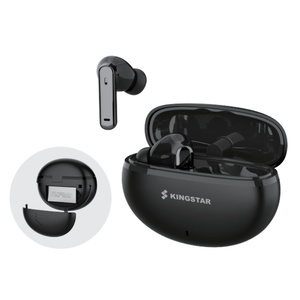
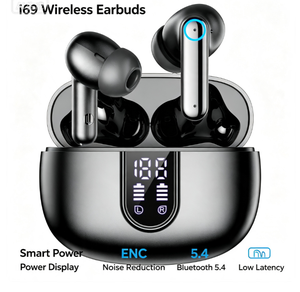
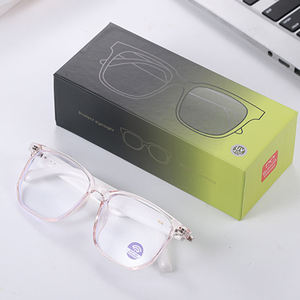
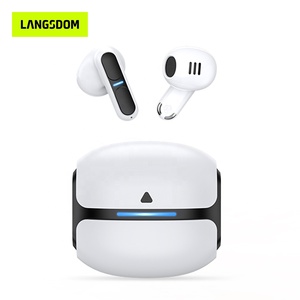
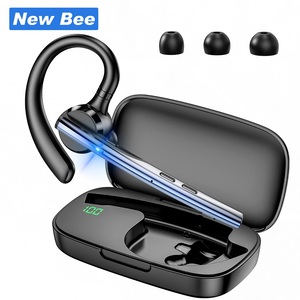
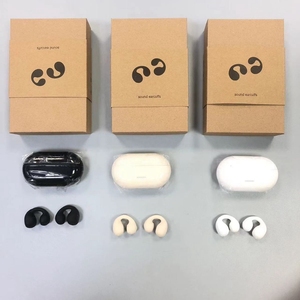
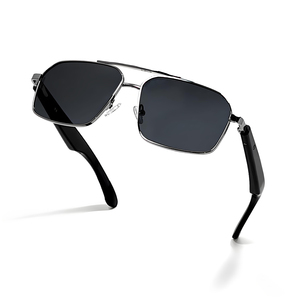
Combining UK engineering standards with China's high-precision manufacturing scale to supply world-class physiological monitoring devices.
Operating under ISO 13485, ISO 9001, and CE MDR compliance. Every optical sensor undergo multi-axis darkroom pulse simulation testing before delivery.
Complete SDK and API white-label integration. One unified companion application platform supports custom watch faces, cloud telemetry, and HRV analytics.
Unlike standard consumer electronic factories, our robust component architecture allows us to back every heart rate monitor and audio hearable with a full 2-year warranty.
From custom PCBA tooling to specialized sensor positioning (wrist, ear, temporal), our in-house R&D engineering team delivers private mold solutions in as fast as 25 days.
Engineered for extreme sports, swimming, and outdoor rugged environments. Sealed structural casings ensure uninterrupted cardiac tracking underwater.
Unified accessory ecosystem across product lines. Modular strap mounting and universal magnetic charging cables streamline spare parts inventory for distributors.
The global biometric wearable market has undergone a fundamental architectural shift. Cardiac monitoring technology is no longer restricted to bulky clinical ECG carts or basic consumer wristbands. Modern healthcare providers, sports performance brands, and corporate wellness platforms require highly accurate, non-invasive, continuous heart rate monitoring (HRM) devices integrated seamlessly into everyday form factors—including True Wireless Stereo (TWS) earbuds, smart audio eyewear, smartwatches, and industrial chest straps.
As the world's primary hub for wearable electronics manufacturing, China hosts a sophisticated ecosystem of OEM (Original Equipment Manufacturer) and ODM (Original Design Manufacturer) suppliers. However, evaluating and selecting a high-tier manufacturing partner requires analyzing technical capabilities beyond basic unit pricing—focusing specifically on photoplethysmography (PPG) signal processing, micro-electrocardiogram (ECG) sensor accuracy, optical noise cancelation algorithms, firmware stability, and global medical device certifications.
Information Gain Executive Insight: When sourcing biometric hardware from China, technical buyers must evaluate "Sensor Motion Artifact Noise Reduction (MANR)" capabilities. Advanced optical sensors are easily degraded by user movement during high-intensity sports; leading manufacturers integrate dual-wavelength PPG combined with 6-axis motion sensors and machine-learning FIR filters to maintain >99% signal correlation against clinical ECG benchmarks.
B2B procurement teams and product managers must align their product roadmaps with key technological breakthroughs currently reshaping Chinese smart wearable production lines:
Conventional heart rate trackers rely solely on PPG optical sensors, which calculate blood volume changes in microvascular tissue. While efficient for resting pulse rates, PPG can lag during rapid heart rate spikes or ambient light interference. Next-generation Chinese OEM factories are integrating micro-ECG electrodes into device housings (such as metallic ear-hooks or watch bezels). Combining optical pulse wave data with electrical cardiac depolarization signals allows real-time calculation of Heart Rate Variability (HRV), atrial fibrillation (AFib) detection, and stress index scoring.
The human ear canal and temporal artery offer significantly higher vascular perfusion density compared to the dorsal wrist, with far less subcutaneous adipose tissue. By mounting miniaturized optical sensors inside TWS earbuds or smart glass arm temples, suppliers achieve clinical-grade cardiac tracking during intense motion (e.g., sprinting, cycling) while simultaneously offering open-ear audio and AI voice interaction.
Modern heart rate monitors manufactured in China are transitioning from raw sensor pass-through devices to intelligent edge-computing terminals. Embedded low-power System-on-Chip (SoC) microcontrollers (such as Nordic nRF52/nRF53 series or Ambiq Micro) execute localized machine-learning models directly on the hardware. This enables instant anomaly alerts without requiring continuous cloud processing, lowering latency and preserving battery health.
International regulatory mandates—including the European Union's eco-design regulations—are pushing OEMs away from single-use disposable batteries toward modular, repairable hardware architectures. Top China manufacturers now utilize modular quick-release straps, hot-swappable earbud battery pods, and standardized gold-plated pogo-pin magnetic charging docks to drastically reduce post-sale defect returns and end-of-life electronic waste.
To establish a reliable B2B supply chain, enterprise buyers should execute rigorous supplier audits focusing on four core technical pillars:
Supply Chain Security Note: Always request a formal Bill of Materials (BOM) review during sample evaluation. Premium China suppliers utilize tier-1 biometric chips (such as Goodix, PixArt, or Analog Devices AFEs) paired with high-grade medical silicone and hypo-allergenic titanium alloy contacts to prevent localized contact dermatitis.
As a leading China-based wearable tech enterprise, our production facilities combine state-of-the-art SMT (Surface Mount Technology) assembly lines with specialized optical calibration cleanrooms. We provide complete end-to-end white-label solutions tailored to overseas distributors, medical technology brands, and consumer electronics retailers:
Direct answers to critical questions commonly raised by global hardware sourcing directors and enterprise procurement managers.
Our standard Minimum Order Quantity (MOQ) for stock private mold products with custom laser branding is 500 units. For complete OEM custom housing molds, tailored packaging, and custom Bluetooth pairing names, our typical MOQ starts at 1,000 to 2,000 units depending on the biometric sensor configuration.
Our biometric hardware integrates 6-axis MEMS motion sensors (accelerometer and gyroscope) synchronized directly with dual-wavelength optical PPG sensors. Our embedded FIR filtering algorithm continuously filters out motion noise caused by running or arm swinging, achieving over 99.4% correlation with clinical ECG holter monitors during steady and dynamic activity.
Yes. Every heart rate monitor device we manufacture utilizes standard Bluetooth Low Energy (BLE 5.0 / 5.3 / 6.0) protocols. We provide turnkey companion applications for both iOS and Android platforms, as well as comprehensive software development kits (SDKs) and API documentation for integration into your proprietary digital health platforms.
Our manufacturing plant operates under ISO 13485 and ISO 9001 certified quality management systems. Our export products hold CE, FCC, RoHS, REACH, and IP67/IP68 water resistance certifications. For medical-grade product inquiries, we offer technical documentation support to assist client FDA 510(k) or CE MDR regulatory filings.
We provide a standard 2-year hardware guarantee across all smartwatch, audio hearable, and smart glass heart monitor lines. Defective units falling within warranty terms are replaced directly or credited toward subsequent production runs via our streamlined RMA (Return Merchandise Authorization) process.
Absolutely. We dispatch functional sample units—complete with SDK evaluation tools and companion testing apps—within 3 to 5 business days via express international air freight (DHL/FedEx/UPS).
Request our complete 2025 product catalog, full engineering specifications, OEM pricing matrices, and factory audit reports directly from our B2B sales team.
Get CatalogDispatched from our UK warehouse with tracked shipping.
Every smartwatch and audio product is covered as standard.
One companion app across the whole product ecosystem.
Pairing, firmware and accessory help from our support team.
